Tracing Data Pathways Connecting Slot Incentives with Poker Loyalty Benchmarks in Austria's Licensed Markets
Uma Schulz · Oct 31, 2026
Tracing Data Pathways Connecting Slot Incentives with Poker Loyalty Benchmarks in Austria's Licensed Markets
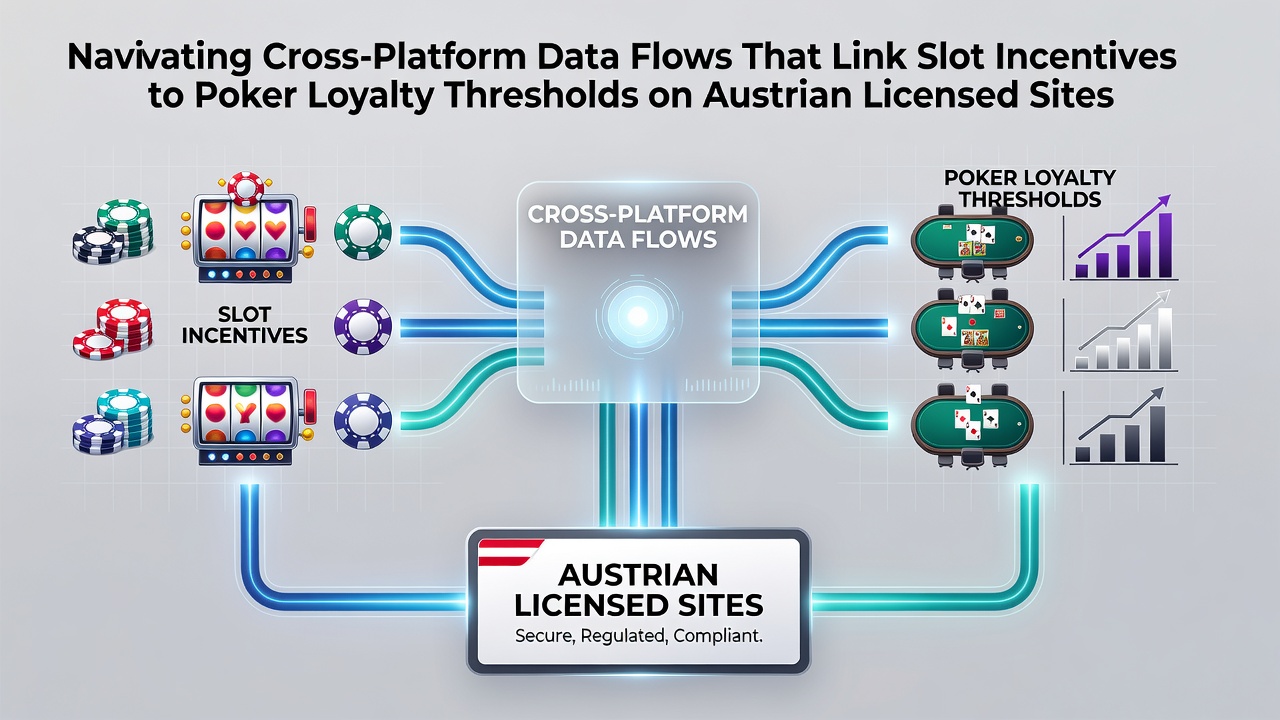
Platforms operating under Austrian licenses integrate player activity across slot machines and poker rooms through centralized data systems that track participation metrics in real time. These systems collect wager volumes, session durations, and achievement milestones from both game types then route the information into unified loyalty engines. Operators use this setup to determine when slot play contributes toward poker-specific thresholds such as tier upgrades or exclusive tournament entries.
Regulatory Framework Guiding Data Practices
Austria's licensing authority requires operators to maintain transparent records of how player data moves between different game categories. Licensed sites must comply with data protection standards that apply across the European Union while also adhering to national gambling statutes updated in recent years. As of October 2026 several platforms completed upgrades to their backend infrastructure to meet new reporting intervals on cross-game reward calculations.
Research from the European Commission indicates that regulated markets in member states increasingly rely on interoperable databases to prevent duplicate bonus claims and to verify eligibility for loyalty benefits. Austrian operators apply these principles by mapping slot incentive triggers directly to poker loyalty counters so that a player's accumulated slot activity can satisfy part of a poker room entry requirement without manual intervention.
Mechanics of Cross-Platform Data Exchange
Slot incentives typically include free spin packages, deposit matches, and cashback percentages calculated from total wagers placed on reel games. Poker loyalty structures, by contrast, often center on rake contributed, hands played, or tournament buy-ins completed. Data flows connect these categories when operators assign weighted values to slot wagers that count toward poker milestones. For instance a player completing a required slot volume may receive automatic credit toward a poker cash game leaderboard or sit-and-go qualifier.
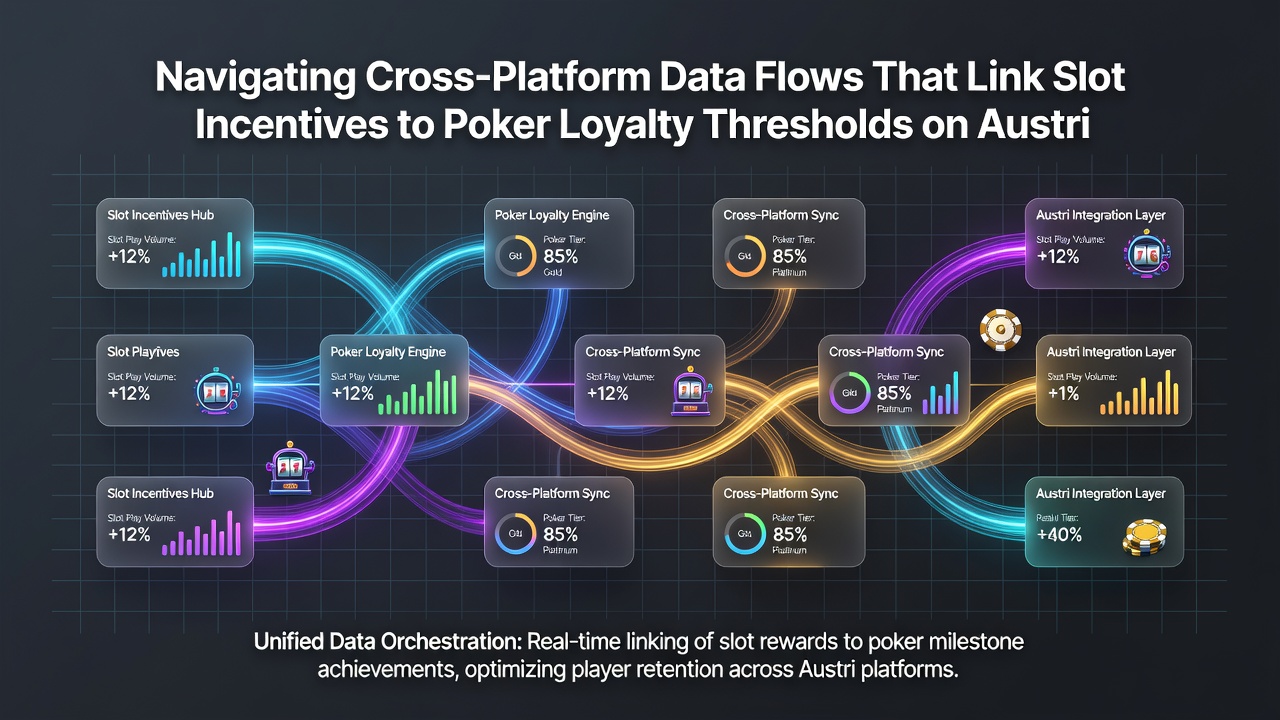
Observers note that the process involves secure API connections between separate game servers and a central customer relationship management platform. Each transaction carries encrypted identifiers that allow the system to aggregate activity without exposing personal details beyond what the license permits. One study conducted by the Australian Gambling Research Centre found similar weighted contribution models in other regulated jurisdictions help stabilize player retention across game verticals.
Practical Navigation for Players and Operators
Players on Austrian licensed sites encounter these linked systems when they receive notifications that their recent slot sessions have advanced their poker loyalty tier. The thresholds usually appear in account dashboards with progress bars that update after each qualifying wager. Operators publish clear conversion rates on their sites so participants understand how many euros wagered on slots equal one loyalty point in the poker section.
Take one operator that adjusted its algorithms in early 2026 to allow slot cashback to partially offset poker tournament fees. The change required the company to recalibrate its data pipelines so that rewards issued in one vertical appeared instantly in the other. Industry reports show that such adjustments reduced support ticket volume related to missing loyalty credits by measurable margins.
Technical Considerations and Security Measures
Data security remains central because cross-platform flows handle sensitive financial and behavioral information. Licensed Austrian platforms employ tokenization and regular penetration testing to safeguard the pipelines. External audits verify that the mapping of slot incentives to poker thresholds does not create unintended advantages or violate fair-play rules.
According to figures released by the Canadian Centre on Substance Use and Addiction, jurisdictions with mature regulatory oversight tend to experience fewer disputes when reward systems are fully automated and auditable. Austrian operators follow comparable practices by logging every data transfer that influences loyalty calculations.
Conclusion
The integration of slot incentives with poker loyalty thresholds on Austrian licensed sites depends on secure, regulated data flows that convert activity in one game category into measurable progress in another. These systems continue to evolve in line with licensing requirements and technological capabilities, with updates noted through October 2026 reflecting ongoing infrastructure improvements. Players access unified dashboards while operators maintain compliance through documented API connections and weighted contribution models.