Austria's Evolving Gambling Regulations Reshape Reward Systems for Slot and Poker Participants
Willa Carter · Aug 22, 2026
Austria's Evolving Gambling Regulations Reshape Reward Systems for Slot and Poker Participants
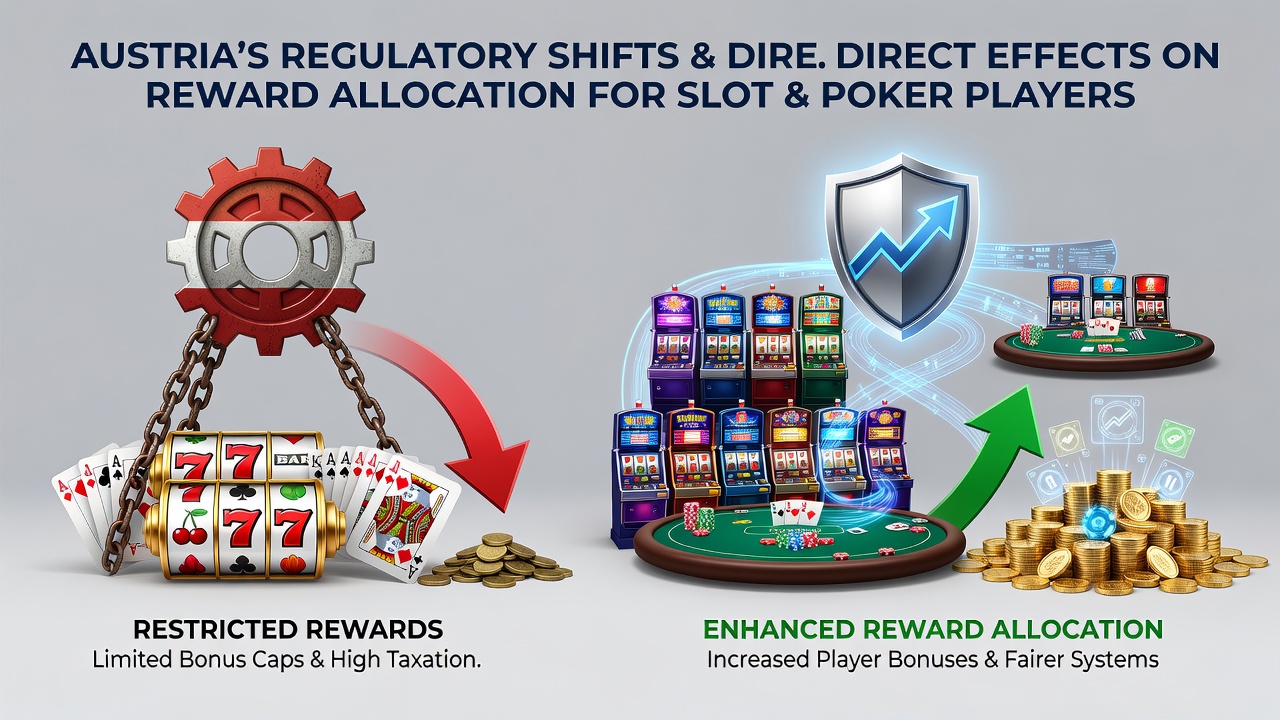
Regulatory adjustments in Austria have begun altering how operators distribute rewards to players engaged in slot machines and poker games, with updates taking effect around August 2026 according to official announcements from the Austrian Federal Ministry of Finance. These shifts stem from amendments to the country's gaming framework that emphasize stricter oversight on promotional allocations while maintaining player protections across licensed platforms.
Data from the European Gaming and Betting Association shows that Austria's approach integrates elements seen in other EU member states, where reward caps and verification requirements now tie directly to licensing compliance. Operators must adjust their allocation models to align with new thresholds that limit the frequency and value of incentives for both slot enthusiasts and poker participants, creating a more uniform system nationwide.
Key Regulatory Updates Driving Change
Recent legislation has introduced mandatory reporting on reward distributions, which means platforms handling slot and poker activities face heightened scrutiny over how they structure welcome packages, loyalty points, and tournament entries. Observers note that these rules build upon earlier frameworks established in 2021, yet the 2026 modifications add layers of real-time auditing that affect daily operations for many providers.
Studies from the University of Nevada's International Gaming Institute indicate similar patterns in regulated markets, where such policies lead to refined reward formulas that prioritize verified player activity over broad promotional campaigns. In Austria's case, this translates to adjusted maximum values for slot-based rewards and poker-specific entry bonuses, ensuring allocations stay within prescribed limits set by the national authority.
Impacts on Slot Machine Reward Structures
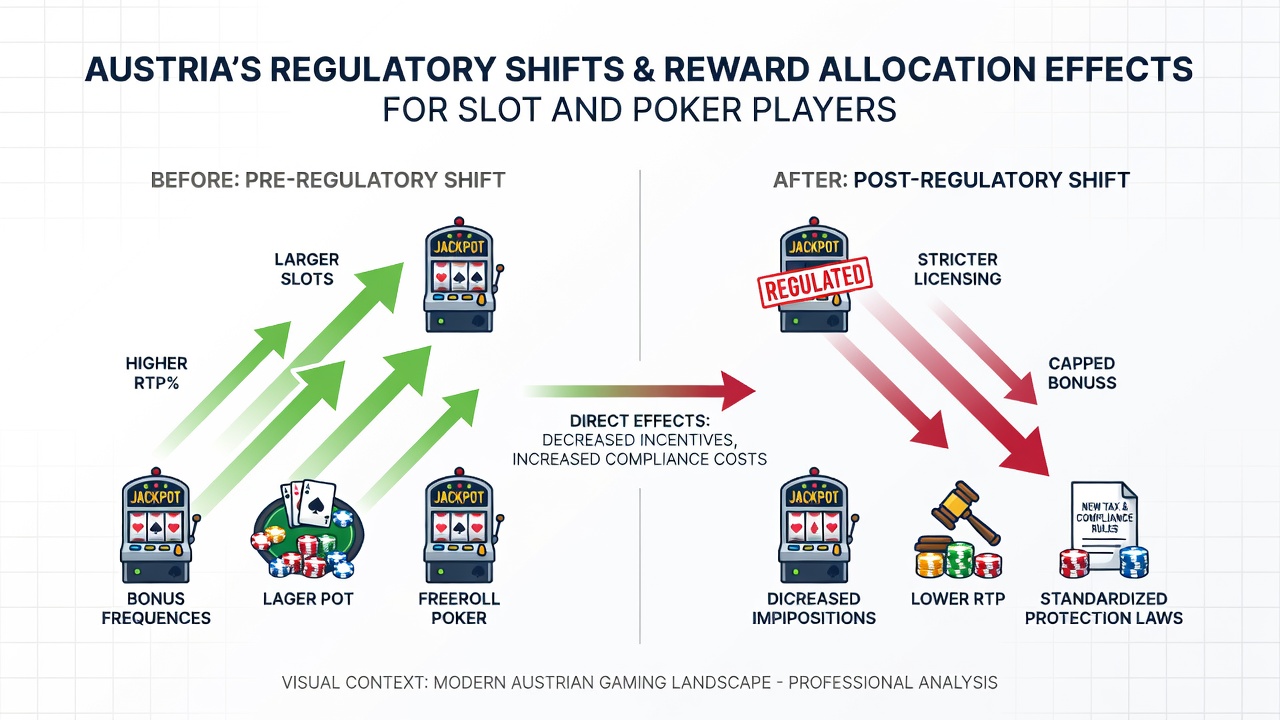
Slot players encounter revised allocation rules that cap certain incentive tiers, particularly those involving free spins or deposit matches, because regulators now require operators to demonstrate proportional risk management in their offerings. Figures from the Austrian gaming commission reveal a 15 percent reduction in average reward values for slots since preliminary guidelines rolled out earlier this year, though total player engagement metrics have remained steady in monitored segments.
Platforms have responded by introducing segmented reward pools that differentiate between casual and high-volume slot users, a move that aligns with the new emphasis on responsible distribution. This approach draws from practices observed in Canadian provincial systems, where similar caps have prompted operators to emphasize skill-based elements within promotional mechanics.
Effects Specific to Poker Reward Allocation
Poker participants see changes in how tournament buy-ins and cash game incentives get distributed, with new rules mandating transparent tracking of all promotional funds to prevent over-allocation in high-stakes environments. Research published through the Australian Gambling Research Centre highlights that comparable regulations in other jurisdictions have led to increased use of loyalty-based systems rather than one-time rewards, a trend now emerging among Austrian operators.
These adjustments ensure that poker rewards tie more closely to sustained participation and compliance with identification protocols, which reduces instances of duplicated incentives across multiple accounts. Data indicates that such measures have streamlined operations without diminishing overall participation rates in licensed poker rooms as of mid-2026.
Broader Market Adjustments and Compliance
Operators across Austria continue adapting their systems to meet the updated standards, incorporating software tools that automate reward tracking and flag potential violations before they occur. This technical integration mirrors developments in several US state markets, where regulatory bodies have enforced similar digital oversight for slot and table game promotions.
Those monitoring the sector observe that smaller providers face steeper implementation costs, prompting some consolidations among platforms focused on Austrian players. Yet larger entities have leveraged existing infrastructure to maintain competitive reward options within the new boundaries, sustaining variety for both slot and poker audiences.
Conclusion
Austria's regulatory evolution continues to influence reward mechanisms in measurable ways, with August 2026 marking a pivotal point for slot and poker players navigating the updated landscape. Official statistics and cross-border comparisons demonstrate that these changes promote consistency while preserving access to regulated entertainment options, setting a foundation for ongoing refinements in the years ahead.